




















We’re considering a key point where high-stakes entertainment collides with physical reality cashorcrash.live. The live casino game show Cash or Crash Live produces a particular kind of stress test, one that can push a player’s nervous system to its maximum. With cardiovascular disease still a major killer in the UK, understanding this conflict isn’t just abstract. It’s about personal health. This article examines how the game builds tension, how the body responds with its innate ‘fight or flight’ response, and the genuine risks this mix presents for your heart. The aim is to provide a clear review that differentiates thrilling fun from strain that could do harm.
Comprehending the Cash or Crash Live Game Mechanics
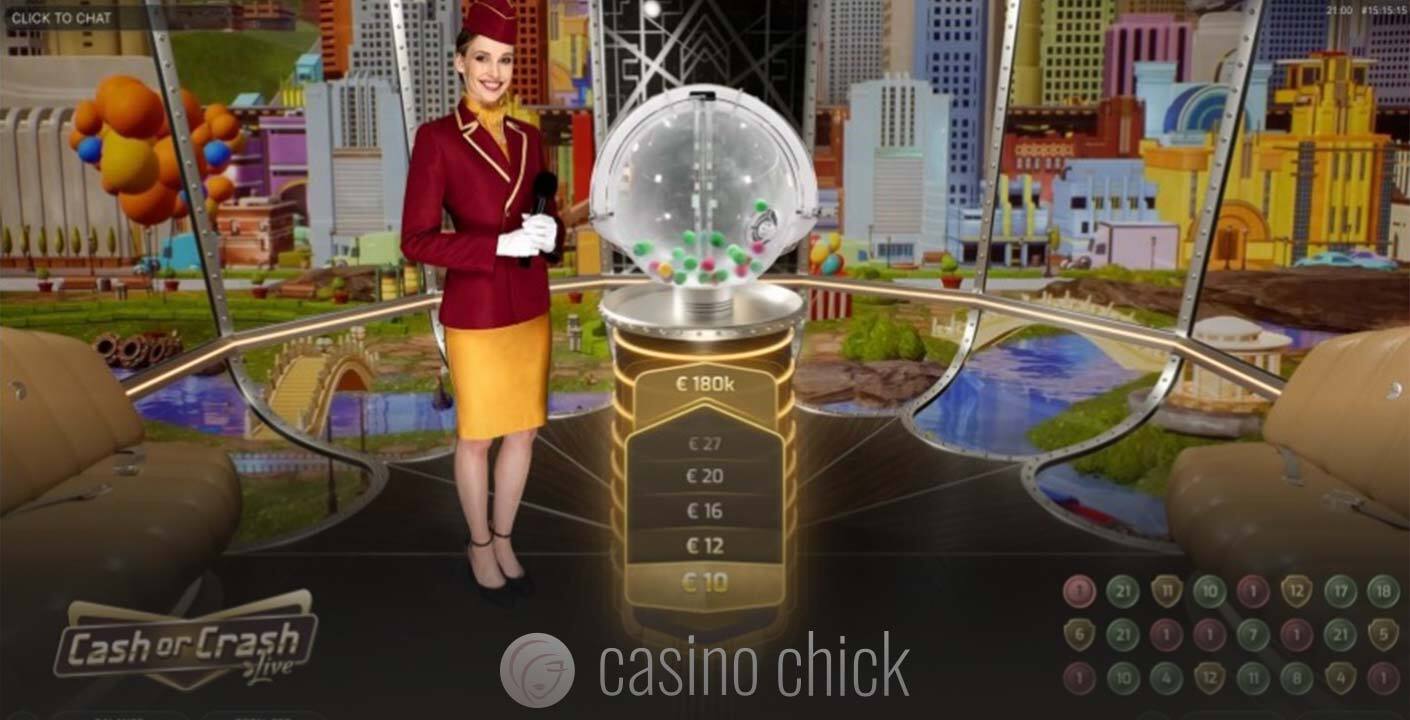
Streamed from a professional studio, Cash or Crash Live transforms a simple idea into a tension emotional ride. Players bet on a virtual rocket ship’s rise, where multipliers surge exponentially. But at any second, the rocket can ‘crash,’ destroying that round’s bet. A live host builds the suspense, the music intensifies, and every moment feels heavy with the chance to win or lose. This isn’t a slow, thoughtful card game. It’s a rapid series of sharp stress events. Each round packages its own burst of hope and fear, forming a cycle of arousal that’s hard for the body to withdraw from. This is especially true during the long play sessions we often see in UK online gambling.
The Mental Impact of Escalating Multipliers
The main psychological draw is the climbing multiplier. As the rocket goes up, the possible payout leaps up, but so does the sense that a crash is coming. This provokes a powerful cocktail of greed and fear, a classic motivator of behaviour. Players confront the same dilemma again and again: cash out for a smaller, certain win, or risk everything for greater returns. Making decisions under this pressure stimulates the brain’s reward and stress centres at the same time. The ‘what if’ of a bigger payout can override sensible money management, locking players into a state of high alert for much longer than they intended. This is the main pathway to sustained physical stress.
The Influence of the Live Presenter and Peer Pressure
The live human element is compelling. A charismatic host communicates straight to the audience, cheering cash-outs and reacting at crashes, which fosters a false sense of community and shared outcome. This social layer intensifies every emotional feeling. When the host says “most players are letting it ride,” it creates a subtle peer pressure to go with the crowd, pushing people to take risks they’d normally avoid. For someone playing alone at home in Manchester or London, this simulated social scene renders the stress feel more genuine and heavy. It pulls the body’s stress systems into gear as if the threat were social, not just financial.
Identifying Warning Signs of Excessive Strain
You have to listen to the warning signals your body sends. Warning signs go further than just feeling “a bit excited.” Physical red flags involve a racing heart that doesn’t slow down between rounds, irregular beats or a fluttering in your chest, shortness of breath, feeling light-headed, or sweating heavily when the room isn’t hot. Psychological signs involve a sense of dread, an inability to stop even when you want to, or intense irritability after a crash. Take these signs seriously. They are direct messages from your autonomic nervous system that it is overworked. The right move is to cash out right away and log off, not to chase losses and increase the strain.
Identifying Cardiac Risk Factors in UK Players
The UK population possesses certain heart risk factors that make this stress extremely worrying. High rates of hypertension are widespread, often unidentified or poorly controlled. When you combine this with lifestyle factors like a poor diet, smoking, and sitting for too long—which often goes hand-in-hand with long stretches of online activity—the baseline heart health of many adults is already under pressure. Jumping into a high-arousal state like Cash or Crash Live slams a sudden, significant load onto a system that might already be struggling. It’s a perfect storm: common, pre-existing conditions meet an entertainment format designed to maximally stimulate the very body systems those conditions weaken.
Hidden Conditions and the Illusion of Safety
Many heart problems, like mild hypertension or early-stage atherosclerosis, are ‘silent.’ They show no obvious symptoms until something serious happens. A person might feel completely healthy and assume they’re safe from any stress effects caused by a game. This illusion is dangerous. The first sign of trouble could be a palpitation, chest pain, or something worse, set off by the intense adrenaline rush of a big crash or a high-stakes cash-out decision. This makes self-assessment unreliable. Feeling no pain doesn’t mean there’s no risk, particularly for the group most involved with online live casino games.
The role of UK Gambling Commission directives
The UK Gambling Commission (UKGC) mandates player protection, but its guidelines center largely on financial and addictive harm. The direct link to cardiac health is still an area that remains underexplored. Operators have to offer tools like reality checks and deposit limits, but there’s virtually no specific guidance about highlighting the intense physical effects of live game shows. As more evidence emerges, we may witness a push for more prominent, health-focused warnings and mandatory cool-down periods between high-tension rounds. Right now, the responsibility lies with the individual player to connect the UKGC’s safer gambling messages with their own physical well-being. They must use the tools provided with the specific goal of protecting their heart.
The ‘Break’ Feature: A Physiological Lifeline?
Safe gaming features, like time limit notifications and rest intervals, aren’t just economic protections. They can be savers for your cardiovascular system. Committing to a five-minute pause every hour does more than clear your head. It allows your nervous system to relax. Your heart rate can settle back, your blood pressure can drop, and your stress hormone levels can commence lowering. We strongly suggest you consider these intervals as non-negotiable physical resets. Use the time to stand, walk around, drink some water, and engage in deliberate, deep breathing to stimulate the vagus nerve directly and help your body recover. This deliberately opposes the stress effects the game is engineered to generate.
Practical Strategies for Reducing Physical Stress
Apart from using the built-in break features, players can develop simple habits to soften the physical impact. Your environment matters. Play in a well-lit, comfortable room, not in a tense, isolated spot. Keep refreshed with water, and avoid too much caffeine or energy drinks. Those stimulants compound the cardiovascular arousal from the game. Try conscious breathing between rounds. A few deep, slow breaths can send safety to your brain. Most important, set a strict time limit before you log on and use an alarm clock—not your own willpower—to follow it. These strategies build a container for the experience, stopping you from becoming completely immersed in the game’s stressful world.
Before-Session and After-Session Routines

Setting up routines puts the gaming session in a safer frame. A pre-session check-in should involve asking about your current stress levels and how you feel physically. If you’re already anxious or tired, don’t play. After your session, do a deliberate calming activity. That could be five minutes of stretching, making a cup of tea, or a short walk. This ritual indicates your body the stressful event is definitely over, helping it shift back to a normal state. For regular players in the UK, where the weather often keeps people inside, having a solid indoor post-session routine is vital for breaking the cycle of sustained arousal.
Comparative Analysis: Cash or Crash vs. Alternative Casino Types
Not all casino game imposes the identical stress load on you. Standard online slots are monotonous and arbitrary, often producing a numbed, robotic state. Standard table games like blackjack or roulette have clearer rhythms and greater times to make a decision. Cash or Crash Live is exceptionally powerful because it mixes the live human element with quick, high-consequence decision points and visually building tension. The stress curve is steeper and hits more often. While a bad beat in poker might cause one stress spike, Cash or Crash delivers dozens of micro-spikes every hour. This leaves it particularly demanding on your cardiovascular system compared to more measured or calm gambling formats.
The Body Under Financial Pressure: A Biological Breakdown
When you confront the high-stakes choices in Cash or Crash Live, your body perceives no a gap between a financial threat and a physical one. The hypothalamus kicks the sympathetic nervous system into action, initiating the ‘fight or flight’ response. Adrenaline and cortisol surge into your bloodstream, producing an instant rise in heart rate and blood pressure. Blood gets redirected from processes like digestion to your muscles and brain. This state is meant for short bursts. But the cyclical, unpredictable pattern of the game can lead to it turning on again and again, for a long time. For anyone with underlying health issues, this constant vascular tension is a direct strain on heart stability.
Short-Term vs. Long-Term Stress Reactions in Gaming
One tense round might cause a sharp, manageable spike. The danger with games like Cash or Crash Live is the chronic, repeating cycle. Back-to-back rounds prevent the parasympathetic nervous system from starting its “rest and digest” calming process. The body stays on high alert, sustaining blood pressure up and forcing the heart to work harder. Over an hour or more of play, this sustained burden on your cardiovascular system is like a long, stressful workout for your heart—but without any of the physical fitness benefits. This drawn-out state can make hypertension worse, contribute to artery inflammation, and trigger irregular heartbeats in people who are susceptible.
Common Questions
Can playing Cash or Crash Live actually cause a heart attack?
One session likely won’t induce a heart attack in someone with a healthy heart. But it can act as a trigger for people who have underlying coronary artery disease. The sudden spike in blood pressure and heart rate can destabilise plaque in your arteries or stress a heart that’s already struggling. For someone with undiagnosed heart conditions, the intense, repeated stress could possibly trigger a cardiac event. This renders it a serious risk for at-risk groups.
What would be the single best thing I can do to shield my heart while playing?
Force yourself to take mandatory, timed breaks. Utilize the operator’s tools or an external alarm. A five-minute pause every 30 to 45 minutes does the job. Utilise this period to physically stand up, walk away from your screen, and practice deep breathing. This soothes your nervous system, lowers your heart rate and blood pressure, and provides you a critical buffer against the cumulative load the game’s tension cycles impose on your heart.
Are younger players immune from these cardiac risks?
No, age doesn’t guarantee safety. Risk rises as you get older, but younger people can have unidentified conditions like hypertrophic cardiomyopathy or inherited arrhythmias. Also, the lifestyle of some younger players—mixing energy drinks, getting insufficient sleep, and long sedentary sessions—can create a high-risk baseline that the game’s stress exacerbates. Cardiac strain is a physical reality, not just something that happens to older people.
How does the stress from Cash or Crash stack up against a stressful day at work?
It’s usually more acute and less predictable. Workplace stress can be chronic but manageable. Cash or Crash Live causes sharp, repeated adrenaline spikes in a short time, more like sudden shocks. This pattern of acute spikes stops your body from finding balance. It can create a more severe and dangerous burden on your heart than the sustained, lower-grade stress of a difficult workday.
Should I check my blood pressure before playing?
It’s a very smart idea, especially if you have any concerns or a family history of high blood pressure. Knowing your baseline is powerful information. If your reading is high before you start (for example, above 130/80 mmHg), you should think hard about playing. You’d be starting the session with your cardiovascular system already under strain, which significantly raises your risk.
Can physical fitness increase my resilience to this kind of stress?
Cardiovascular health boosts how well your cardiovascular system functions, which can help your body manage stress. But it doesn’t make you immune. The game’s emotional stimuli and adrenaline surges influence fit people too. What’s more, a fit person’s confidence might make them play extended sessions and for greater amounts, unintentionally lengthening their time spent and cancelling out the benefits of their fitness.
Where in the UK can I seek advice if I’m concerned about gambling and my health?
Your first stop should be your GP, who can check your heart health. For gambling-specific support, call the National Gambling Helpline on 0808 8020 133, or use the NHS-funded BeGambleAware.org site. These resources offer advice on controlling gambling behaviour and the stresses associated with it. They can connect you to both medical and psychological support networks.
Cash or Crash Live is a engaging yet intense combination of entertainment and physical provocation. For players in the UK, the game’s design directly taps into the body’s primal stress systems. It creates a real, measurable load on heart health that clashes dangerously with common national risk factors. The thrill is obvious, but a conscious, health-first approach is essential. By knowing the mechanisms at work, using break tools as physical resets, and paying attention to your body’s warnings, players can navigate the tension more safely. Protecting your heart has to be the top priority. The goal is to make sure the chase for a cash win doesn’t end with a catastrophic crash in your health.
